How confirmed in the last weeks, the real Libyan conflict is between GNA and HoR, which didn’t still ratified UN government. Behind this impasse there is General Khalifa Haftar, very well-liked by Egypt and EAU through weapons supply in the war against Islamic State. And, while France partecipated to G5 meeting in Hannover with Germany, Italy, United Kingdom and United States and discussed about Libya crisis, on the other hand Paris is supporting Egypt to extend its sphere of influence on Cyrenaica and its oil well.
[subscriptionform]
[level-european-affairs]
After that workers at the Marsa el-Hariga terminal had refused to load the shipment which should have to export 650,000 barrels of oil on April 22, Libyan crisis is becoming always more complicated. It’s clear that Tobruk government is trying to control oil well. “This had the potential to be a very ugly incident and I am pleased that it has been resolved peacefully without injury to anybody or loss of revenue or damage to the integrity of NOC or the country,” Tripoli-based Chairman Mustafa Sanalla said.
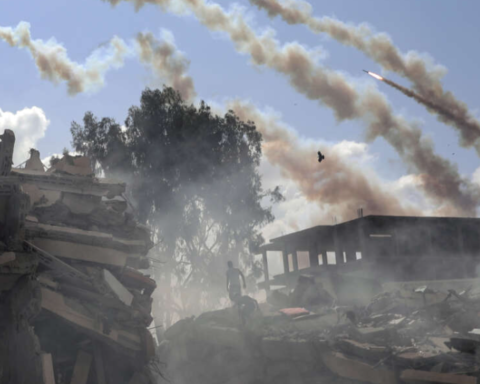
Not only from oil viewpoint, but also from military one. After that Shura Council pushed out Islamic State fighters from Derna, Hafeth al-Dabaa, a spokesman for Derna Mujahideen Shura Council (DMSC), told the BBC that Haftar didn’t freed the city but its warplanes targeted Islamic revolutionaries. And, with LNA, is moving towards Sirte, the Daesh stronghold in Libya.
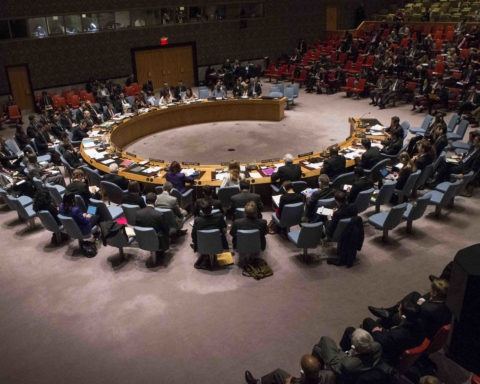
The Serraj request to support his government to international community especially reguards Haftar. UN support on April 28, when it blocked illicit crude sale towards Malta, could be not enough.
Indeed, Egypt and EAU are directly supporting Tobruk and Haftar. The purpose is to come first to Sirte and defeat Islamic State. Supported by Al Sisi, the General is aiming to become the leader of Libya.
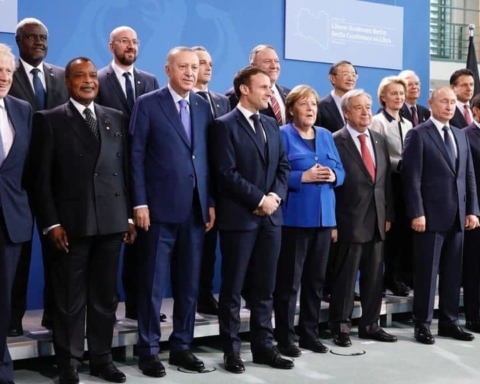
So, French participation to G5 about Libya and the contemporary weapons supply to Egypt are complicating Libyan context. And, above all, the role of Western countries.
Therefore, Libya’s U.N.-backed unity government called on Thursday was necessary to stop all military actions against Islamic State: “In the absence of coordination and unified leadership … the Council expresses its concern that the battle in Sirte against Daesh (Islamic State) will be a confrontation between those armed forces. Accordingly, the Presidential Council, as the supreme commander of army, demands all Libyan military forces wait for it to appoint a joint leadership for the Sirte operation,” the statement said.
Giacomo Pratali
[/level-european-affairs]